May 15, 2026
Blog
Part 2 - Redesign the Branch
Three-Part Series: Modernizing Branches for Gen Z
A branch designed for this generation is a fundamentally different kind of space: one built for conversation, powered by seamless technology, and positioned as the place where a young person's most important financial questions get answered by a human being who is fully equipped to help them.
This part covers the transformations that make that possible — from the physical environment and digital infrastructure, to financial education, and community presence. Each one is an investment in the branch as a strategic asset. Together, they are the architecture of a branch that Gen Z will choose to visit and remember.
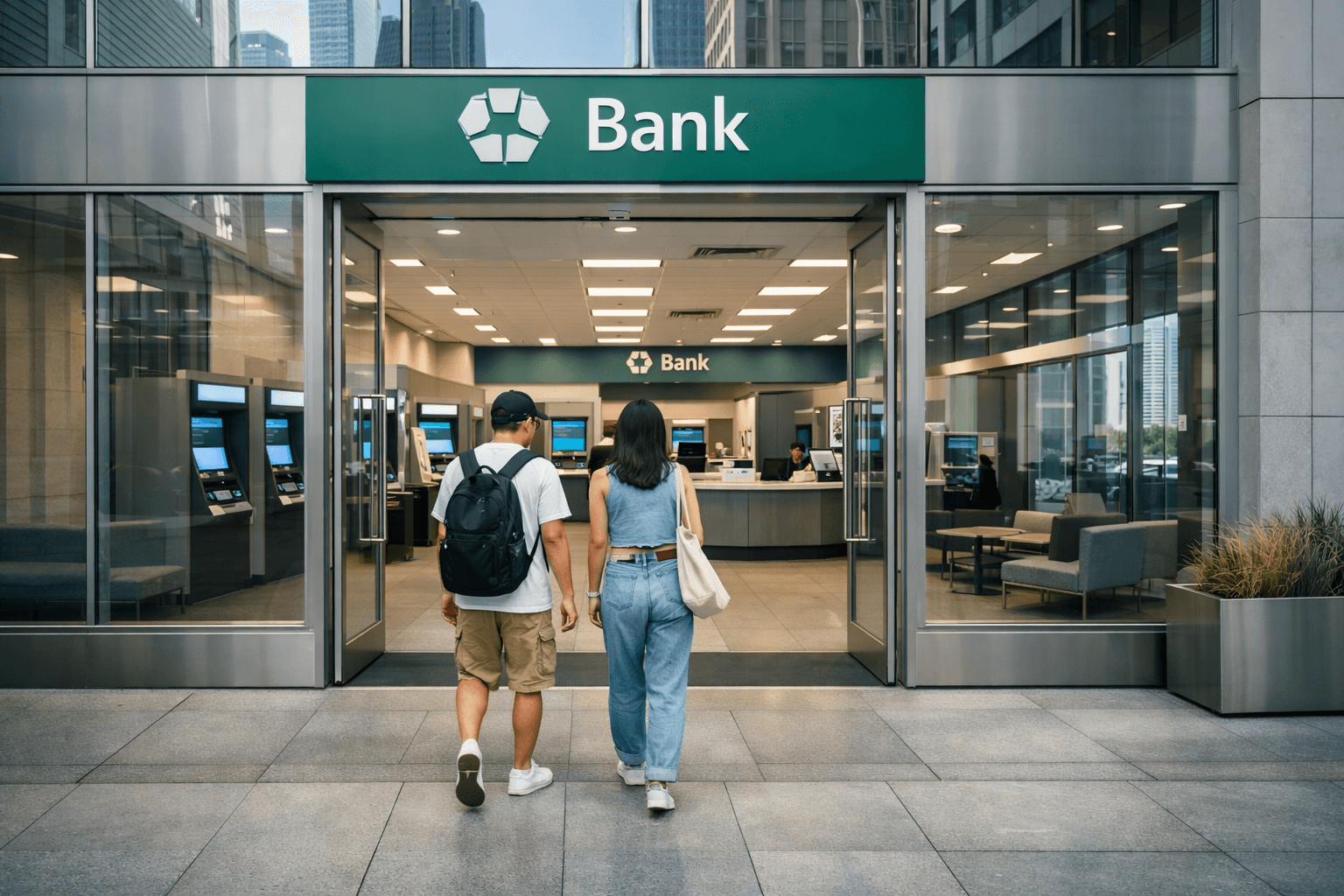
AI generated image
Recommendation 1: Redesign the physical space for conversation.
Space communicates before anyone says a word. A branch laid out around teller counters and queues communicates one thing: this place was not built for people. Gen Z reads that signal immediately and it shapes everything that follows.
The good news is that the leading institutions in North America have already proven this can change, and the results are visible. Bank of America has announced plans to open 165 new financial center locations by 2026, built specifically for personalized service — collaborative meeting spaces staffed by financial specialists, with traditional teller lines replaced entirely (The Financial Brand, 2025).
JPMorgan Chase is renovating 1,700 existing branch locations alongside opening 500 new ones, with a clear shift toward advisory-driven formats (PYMNTS, 2024). These are structural commitments to a different vision of what a branch is for and they are setting a new standard across the industry.
Recommendation 2: Build seamless continuity between digital and physical channels.
For Gen Z, the boundary between digital and physical does not exist. Their relationship with a bank is one continuous experience.
The vision here is: a customer who starts a loan application on their phone should be able to walk into a branch and pick up exactly where they left off. A customer who books an appointment through the app should arrive to find an advisor who already knows their name, their account, and the reason for their visit. A problem resolved in the branch should appear as resolved in the app before the customer reaches the parking lot.
As CheckAlt (2025) notes, Gen Z "expects a consistent, real-time experience whether they're withdrawing cash, depositing a check, transferring funds, or checking balances. When these experiences differ across channels, trust erodes quickly."
Recommendation 3: Make digital technology a visible and integral part of the branch experience.
The branch of the future is a physical space where technology is woven into every touchpoint: present, fast, and consistent with the digital experience Gen Z already carries in their pocket. When a customer walks in and finds technology that matches the standard of their mobile app, the message is immediate: this institution has invested in us everywhere.
Interactive stations and tablets throughout the branch floor allow customers to explore products, simulate loan scenarios, or complete portions of an application while they wait, turning idle time into productive engagement. ATMs are also a central part of this digital presence, and one of the most frequently used.
What unites all of these digital elements is a single principle: consistency. Gen Z does not lower their expectations when they walk through a branch door. They bring the same standard they apply to every other digital experience in their lives. A branch where the technology is modern, integrated, and genuinely useful tells this generation that the bank sees them, understands how they move through the world.
Recommendation 4: Turn the branch into a financial education hub.
73% of Gen Z believe banks should do more to help them with budgeting, debt management, and financial planning (Oliver Wyman Forum, 2023). Right now, they are finding most of that guidance on TikTok, YouTube, and Reddit — not at their bank.
A branch that becomes a genuine center for financial education earns something no advertising campaign can manufacture: the perception that it is actually on the customer's side. The formats that work:
Regular, free workshops on topics directly relevant to Gen Z's life stage.
One-on-one financial coaching sessions, available by appointment, with no purchase obligation. The goal is to build the relationship first. The product opportunity follows naturally.
Community events that give young customers a reason to walk into the branch that has nothing to do with a transaction.
Recommendation 5: Invest in community presence.
The Federal Reserve has identified banking deserts across the United States affecting 12 million individuals — communities where the absence of accessible financial services creates real economic harm (PYMNTS, 2024). Many of those communities are home to a high concentration of Gen Z residents who are beginning their financial lives without the support structures others take for granted.
A bank that shows up in those communities — with a branch, with education programming, with services designed for people who are just getting started — is making a statement that Gen Z can see and measure.
Every investment covered reaches its full potential only when the staff inside the branch is ready to match it.
Part 3 closes the series with the most human layer: the people inside the branch, and the software that allows them to do their best work.
Sources here: Blog Part 1